
A DStv decoder losing signal is one of the most common calls we get, and it's rarely as serious as it feels in the moment. Before booking a technician, there are a few things worth checking yourself — and a few signs that mean you shouldn't try to fix it on the roof.
Start With The Weather
Heavy rain, thick cloud cover or a passing storm can temporarily weaken a satellite signal enough to interrupt viewing — this is sometimes called rain fade. If the picture returns within an hour or two of the weather clearing, the dish itself is probably fine. If it doesn't recover once the sky clears, the problem is more likely mechanical or electronic.
Check What's Actually Plugged In
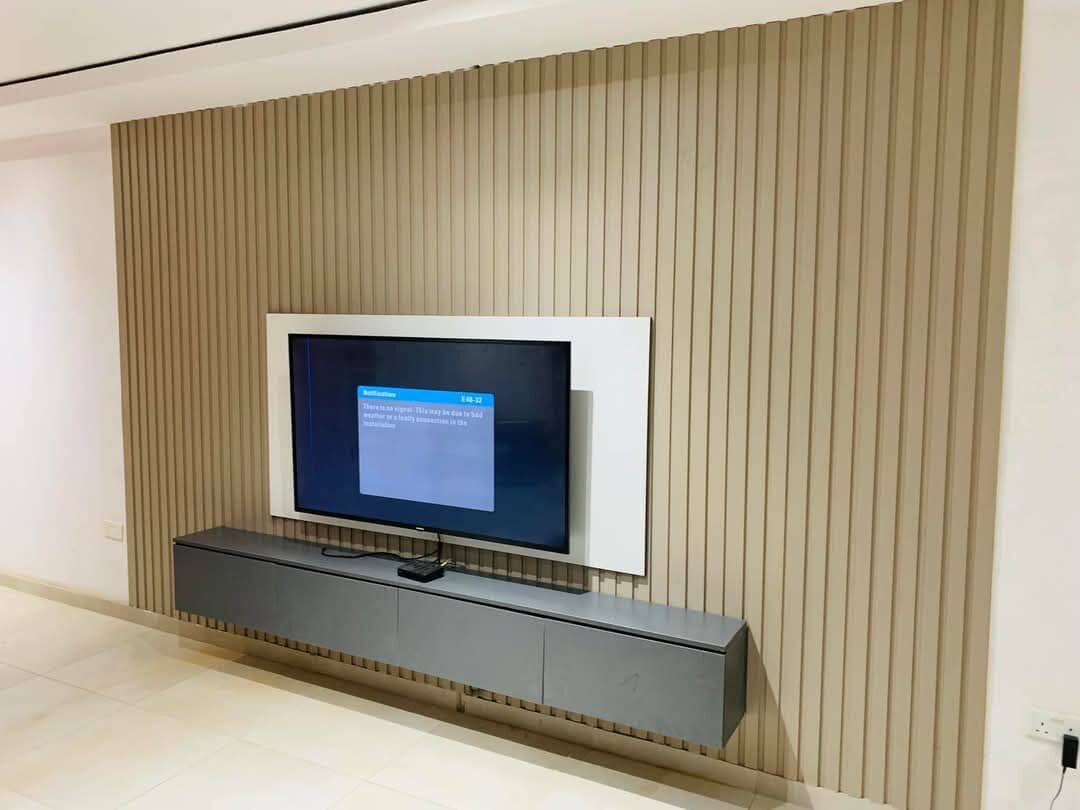
Before assuming a dish problem, confirm the basics: is the decoder actually powered on, is the HDMI or AV cable firmly seated at both ends, and is your TV set to the correct input? It sounds obvious, but a surprising number of "no signal" calls turn out to be a cable that worked itself loose, often after cleaning or moving furniture.
Look For Obvious Physical Changes
From the ground, check whether anything around the dish has changed — new tree growth, a recently parked delivery truck, scaffolding, or even a satellite dish installed by a neighbour that's now blocking the line of sight. Dishes need a clear, unobstructed view of the sky in a specific direction, and even a partial obstruction can degrade the signal without blocking it completely.
Don't Touch The Dish Yourself
It's tempting to nudge a dish back into place if you can see it's shifted, but satellite alignment is measured in fractions of a degree — a small manual adjustment usually makes things worse, not better, and working at height without the right equipment is a genuine safety risk. If the dish has visibly moved, that's a sign for a technician with a satellite meter, not a ladder and a guess.
When It's Likely The LNB, Not The Dish
The LNB is the small component mounted on the arm in front of the dish that actually receives the signal. LNBs degrade over time, especially in areas with high humidity, heat or salt air, and a failing LNB often causes intermittent signal loss that gets steadily worse rather than a single dramatic failure. If your signal has been "flaky" for weeks rather than suddenly dropping out, a worn LNB is a common cause.
What A Technician Actually Checks
When we're called out for signal loss, we work through it methodically: cable and connector condition first, since a corroded or loose F-connector is one of the most common culprits; then LNB output using a satellite meter; then dish alignment itself, adjusted in small increments while watching the live signal reading rather than guessing. Most call-outs are resolved in well under an hour once we're on site.
A signal that's "a bit weak all the time" is usually a hardware issue. A signal that drops only in bad weather is usually just weather. Knowing the difference saves an unnecessary call-out.
When To Book A Technician
- Signal doesn't return after the weather clears
- Picture has been intermittent or pixelated for more than a few days
- The dish has visibly shifted or a mounting bracket looks loose
- You've checked cabling and inputs and the fault persists
If any of those apply, it's worth booking a proper signal check rather than letting a small issue turn into a full LNB or dish replacement.